
Choosing the Right Ultrasound Scan for Each Stage of Pregnancy

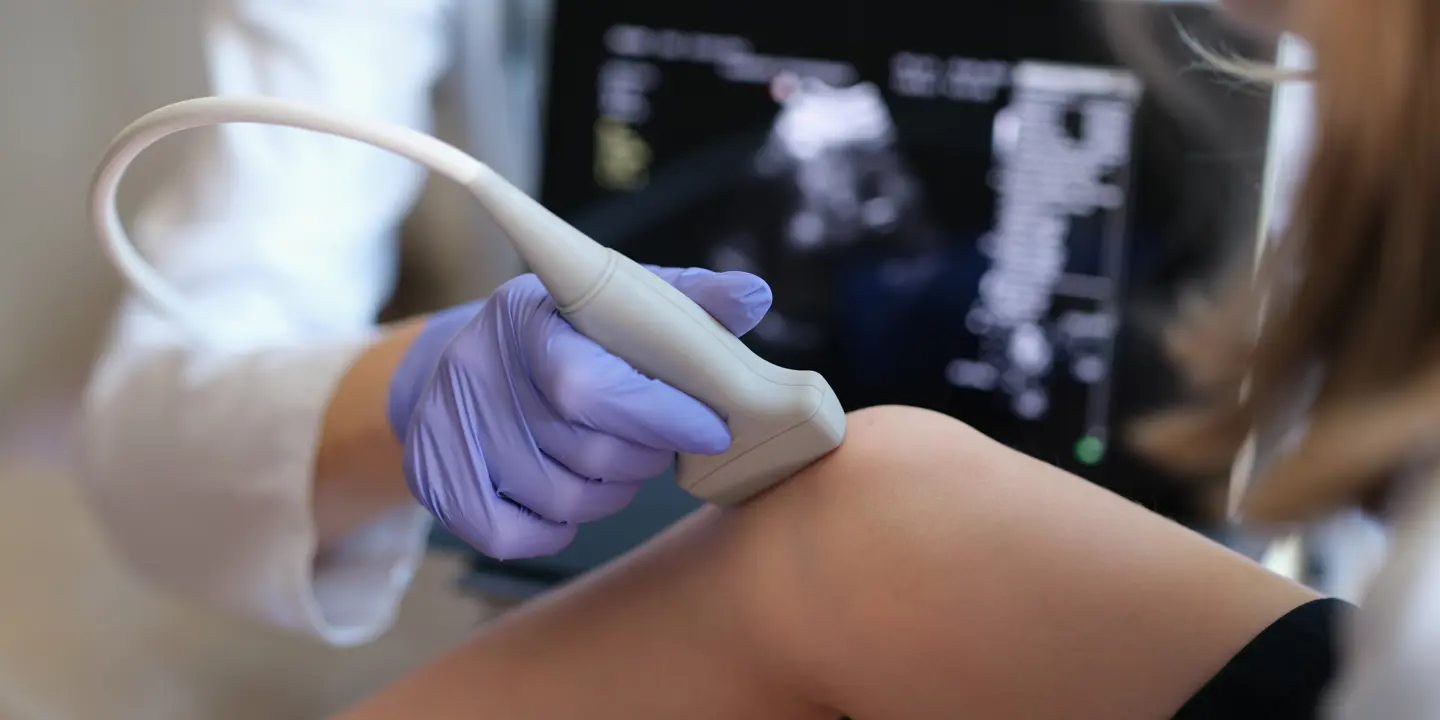
Marked by notable changes and growth, pregnancy is a transforming path. Imaging is essential during this time for tracking the well-being of both the expecting parent and the growing life. These visual inspections give healthcare professionals insightful analysis to monitor development and make sure all is going as planned. Knowing the goal of each kind of imaging suggested at various times can enable potential parents to feel more educated and linked to the process. Offering a safe and simple method to see the interior changes occurring, a conventional ultrasound scan creates pictures using sound waves.
Early Confirmation and Dating
Often, a preliminary imaging check is done in the first weeks, usually between six and eight. At this point, the main objectives are to verify the existence of a pregnancy, locate it to eliminate ectopic chances, and set a precise anticipated due date. Many parents find it profoundly touching to see the early indicators of development on this first ultrasound scan, so offering concrete evidence of the new life starting to form. Scheduling subsequent checkups and precisely measuring growth all during the pregnancy depend on this early timing.

First Trimester Screening
Usually between 11 and 14 weeks, late in the first trimester is when a more thorough imaging session could be advised as part of a screening process. Particularly on the fluid in the back of the neck, this exam calls for certain measurements. These measurements, together with blood testing, help to evaluate the likelihood of particular chromosomal disorders. Although not a certain diagnosis, this screening gives useful information that might guide parents’ choice on more testing should they want it.
Detailed Anatomy Check
Usually done between weeks, the mid-pregnancy scan is a thorough evaluation. This thorough examination carefully visualizes the growing fetal anatomy. The sonographer methodically inspects several areas to make sure they are developing and forming right. A cornerstone of prenatal care, this scan offers comfort and the chance to spot any possible problems early on, hence enabling suitable planning and treatment if required.
Monitoring Growth and Position
Though not generally standard for every pregnancy, later in pregnancy—usually in the third trimester—extra imaging could be required. Often, these scans monitor fetal development to make sure it falls within the expected range. As the due date approaches, they also assist in identifying the baby’s location inside the uterus. Planning the delivery requires knowledge of the baby’s size and position.
Assessment of Well-being
Imaging could sometimes, especially in the last weeks, be utilized to evaluate the general well-being of the fetus. This could mean looking at the fluid level around the infant, breathing patterns, and movements. These biophysical tests give vital information on how the late stages of pregnancy are being tolerated by the baby and may guide healthcare professionals in deciding when and how to deliver if required.
Comprehensive prenatal treatment depends on selecting the correct imaging at every stage of pregnancy. Every scan has a certain goal; some provide different perspectives on the development and well-being of the expanding baby. These visual milestones provide expectant parents treasured peeks of their child’s path before birth and provide useful information for doctors.